

In the fast-paced world of digital marketing, the ultimate goal is to connect with your audience and inspire action, whether it’s a purchase, a sign-up, or sharing content. While logic-based marketing use facts, evidence, and reasonable arguments to persuade, emotion-driven advertisements appeal to the audience’s feelings and experiences. Over the years, research and case studies have consistently demonstrated that emotion-driven advertisements not only outperform logic-based marketing, but also have a long-term impact on consumers.
In this article, we’ll look at why emotion-driven advertising are so effective, how they work, and how you can create campaigns that appeal to your audience’s emotions to achieve greater results.
The Science Behind Emotional Advertising
1. How Emotions Influence Decision-Making
According to neuromarketing research, emotions have an important influence in decision-making. According to neuroscientist Antonio Damasio, people make decisions based on emotions rather than pure rationality. Even when intellectual arguments are there, emotions frequently determine the final decision.
When customers see an advertisement, their emotional response—whether joy, nostalgia, fear, or excitement—influences how they perceive the brand and its message. Ads that elicit powerful emotions are more likely to remain in the consumer’s mind, enhancing brand recall and favourability.
2. The Role of Mirror Neurons
When we watch the emotions of others, our brain’s mirror neurones activate. This means that when an ad properly conveys emotions, viewers frequently experience those emotions themselves, resulting in a stronger connection with the brand. For example, an advertisement depicting someone overcoming adversity can elicit feelings of optimism and resilience in the audience.
3. Emotional Memory
Human memory prioritises emotional experiences. Emotionally charged advertising activate the amygdala, the brain’s centre for processing emotions, making the ad more memorable and effective than a logic-based message full of facts and data.
Emotion-Driven Ads vs. Logic-Based Campaigns
1. Emotional Ads Evoke Stronger Responses
Emotion-driven advertisements seek to connect with people on a personal level. They narrate stories, invoke nostalgia, or highlight common experiences, forming a connection between the company and its target audience. Logic-based advertisements, on the other hand, frequently highlight facts, features, and benefits, which might appear impersonal and uninteresting.
Example:
• Coca-Cola’s “Share a Coke” campaign used personalised bottles to encourage sharing and interaction.
• Logic-Based Ad: A beverage brand promotes calorie count and nutritional benefits.
While the latter may appeal to a rational mind, the former resonates emotionally, resulting in increased engagement and brand loyalty.
2. Emotional Ads Create Viral Campaigns
Emotion-driven advertising are more likely to go viral because they connect with people on a personal level. People are more likely to share content that makes them feel happy, upset, or inspired.
The “Always #LikeAGirl” campaign challenged gender norms and empowered young girls, igniting a global conversation. Its emotional appeal generated millions of shares and global acclaim.
In contrast, logic-based commercials rarely elicit the same level of excitement or social sharing.
3. Emotional Ads Foster Brand Loyalty
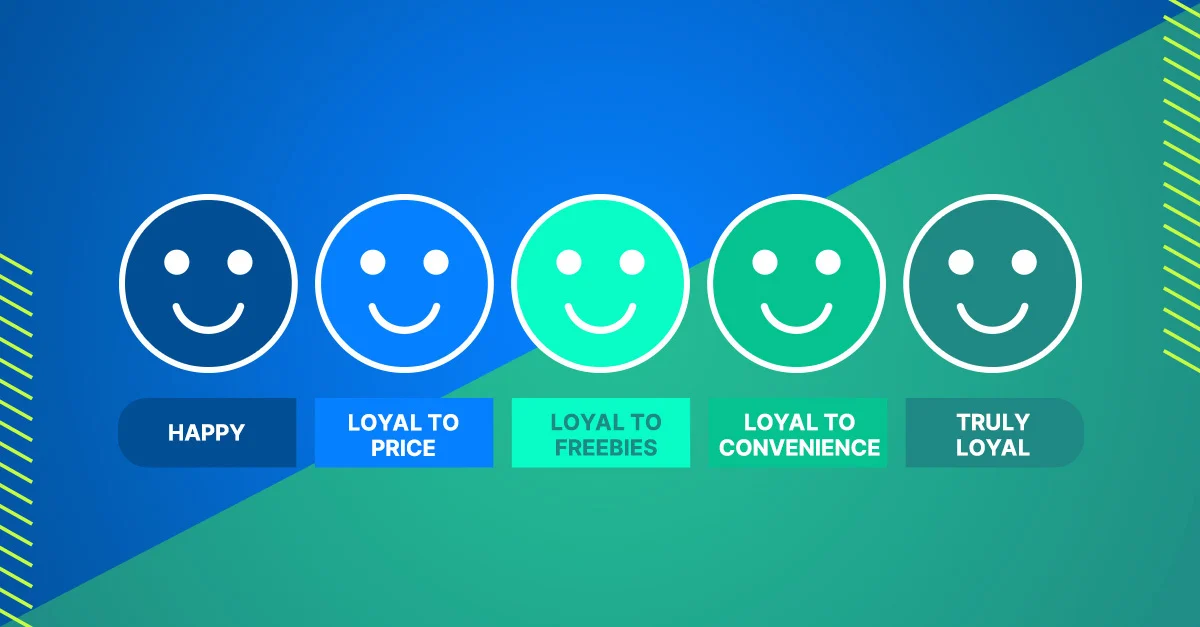
Consumers who have an emotional attachment to a brand are more likely to stay loyal, even if competitors offer comparable products or lower pricing. Logic-based ads may entice price-sensitive customers, but emotional connections foster long-term partnerships.
Apple’s marketing emphasises innovation and lifestyle, rather than just technical specifications. This emotional appeal creates a cult-like following that logic-driven competitors struggle to match.
Types of Emotions That Drive Successful Campaigns
1. Happiness
Ads that provoke enjoyment promote positivity, resulting in more shares, likes, and sales. People are naturally drawn to brands that make them feel good.
Disney’s ads emphasise joy, family, and enchantment, evoking a sense of wonder and nostalgia among audiences of all ages.
2. Fear and Anxiety
Fear-based advertisements are effective for addressing significant situations or proposing remedies to prospective problems. However, they must be handled with caution so as not to overwhelm or alienate the listener.
Insurance companies often emphasise the risks of being uninsured to encourage consumers to take action.
3. Sadness and Empathy
Ads that depict emotional stories of adversity or resilience elicit empathy and compassion, frequently prompting action.
Charities, such as Save the Children, often employ emotionally charged storylines to promote donations, highlighting the impact on children’s lives.
4. Inspiration and Hope
Advertisements that encourage viewers to pursue their aspirations or overcome barriers might elicit a strong response.
Nike’s “Just Do It” commercials highlight athletes pushing boundaries and inspire audiences to take on their own challenges.
How to Create Emotion-Driven Ads
1. Understand Your Audience
Begin by determining which emotions are most likely to resonate with your target audience. Conduct surveys, analyse social media sentiment, and research customer personas to identify their pain areas, desires, and goals.
2. Tell a Compelling Story
Emotional advertising revolves around stories. Instead of listing features, create a narrative that engages your readers and makes them feel like they are a part of the adventure.
For instance, instead of stating, “Our product saves time,” demonstrate how it helps parents spend more quality time with their children.
3. Use Relatable Characters
Ads with characters or settings that reflect the audience’s experiences foster a sense of connection. People are more inclined to interact with advertisements if they find personally relevant.
4. Leverage Music and Visuals
Music, colour schemes, and imagery can all enhance emotional effect. Uplifting music, bright colours, and smiling faces convey happiness, whilst sombre tones and muted colours elicit empathy or introspection.
5. Focus on Authenticity
Modern customers place a high value on authenticity. Overly polished or disingenuous commercials might backfire, so make sure your emotional appeal is consistent with your brand’s values and mission.
Challenges of Emotion-Driven Ads
While emotional advertising offers benefits, it is not without drawbacks:
• Misinterpretation risk: If the message is unclear, the audience may not understand the intended feeling.
• Global advertisements must consider cultural differences in emotional interpretation.
• Overuse of Emotions: Excessive drama or manipulation in advertisements might cause scepticism and criticism.
To mitigate these issues, always conduct focus groups and monitor audience response.
Real-World Success Stories
1. Procter and Gamble’s “Thank You, Mom” Campaign
During the Olympics, P&G ran advertisements that highlighted the sacrifices moms make to support their children. The emotive narrative resonated globally, increasing brand sentiment and sales.
2. The Google “Reunion” Campaign
The ad for Google India portrayed the story of two friends who were separated during India and Pakistan’s partition but were reunited thanks to Google Search. The campaign received millions of views and emphasised Google’s importance in human interaction.
3. The Dove “Real Beauty” Campaign
Dove challenged social beauty norms by promoting authentic, varied women. The emotional appeal resonated with audiences and greatly improved brand reputation.
The Bottom Line
Emotion-driven commercials can surpass logic-based efforts by establishing genuine relationships with audiences. While rational appeals convey information, emotional appeals elicit action, loyalty, and long-term memory.
Understanding your audience, conveying authentic tales, and appealing to universal emotions allow you to create campaigns that not only increase interaction but also strengthen your brand’s identity.
As the digital landscape evolves, brands that speak to the heart, rather than the mind, will thrive.