
In the fiercely competitive e-commerce sector, companies are always vying for the interest and loyalty of consumers. One of their most successful strategies is dynamic pricing, which adjusts product prices in real-time based on market conditions, competition, and demand. Even while dynamic pricing might boost sales and conversions, it requires careful balance to ensure that customers feel valued and not taken advantage of.
In this post, we’ll examine dynamic pricing, its effects on e-commerce ads, and how businesses may strike the perfect balance between raising sales and enhancing conversions.
What is Dynamic Pricing?
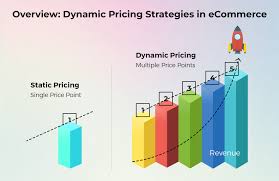
Dynamic pricing is a pricing technique in which certain variables determine how much a product or service costs. These factors could consist of:
• Market Demand: When demand spikes, such as during sales events or holidays, prices go up.
• Competitive Pricing: Modifying costs to maintain a competitive edge.
• Customer behaviour: Customising prices based on past purchases or browsing habits.
• Inventory Levels: Increasing prices for limited availability or providing discounts to get rid of stock.
Artificial intelligence (AI) and machine learning algorithms, which evaluate real-time data to optimise pricing methods, are frequently the driving forces behind dynamic pricing. This strategy guarantees that pricing are consistently in line with market dynamics, enhancing profitability while preserving customer relevance.
How Dynamic Pricing Works in E-commerce Ads
Dynamic pricing works directly with social media marketplaces and advertising platforms like Google Ads in the context of e-commerce advertisements. This is how it usually works:
1. Real-Time Price Adjustments in Ads
Ads’ product prices are automatically updated by dynamic pricing systems in response to real-time changes. For instance, the advertisement rapidly updates to reflect the new price if a flash sale results in a price reduction.
2. Personalized Pricing Based on User Data
AI delivers advertising with personalised pricing by analysing user data, including location and browsing history. For example, a user who often peruses high-end products may come across advertisements with marginally higher costs than a buyer on a tight budget.
3. Competitive Bidding Strategies
Businesses can modify their ad bids according on the product’s profitability thanks to dynamic pricing. While lower-margin products are bid more cautiously, higher-margin items may receive a larger ad spend.
Benefits of Dynamic Pricing in E-commerce Ads
For e-commerce companies, dynamic pricing has the potential to be revolutionary. Here’s how:
1. Maximised margins of profit
Without having a major effect on sales volume, businesses can increase profits by raising prices for limited-stock items or during times of high demand.
2. Higher Rates of Conversion
Businesses can provide competitive prices thanks to dynamic pricing, which increases the appeal of their products to potential buyers. One technique to influence hesitant buyers is to equal or lower a competitor’s price in real time.
3. A Higher Rate of Retention of Customers
Dynamic pricing can provide consumers a sense of value when applied properly. For instance, rewarding devoted clients with tailored discounts promotes recurring business.
4. Improved Advertising Results
By aligning ad prices with real-time market conditions, businesses can increase the relevance and click-through rates of their ads, improving overall ROI.
Challenges of Dynamic Pricing
Although dynamic pricing has many benefits, there are drawbacks as well. Companies need to carefully avoid these possible pitfalls:
1. Perceived Price Exploitation
Significant price adjustments may make customers feel alienated, particularly if they believe the changes are unjust. Price gouging claims may arise, for example, if prices are raised during emergencies or periods of high demand.
2. Complex Implementation
Strong data analytics and cutting-edge technologies are essential to dynamic pricing systems. Such systems might need a lot of resources to set up and operate, particularly for smaller organisations.
3. Risk of Alienating Loyal Customers
Customers may feel underappreciated if they observe irregular pricing, especially if they are charged more than new clients.
4. Compliance and Ethical Concerns
Regional laws and regulations, such as those prohibiting price gouging, must be complied with by dynamic pricing. Companies also need to make sure that their procedures follow moral guidelines.
Finding the Balance Between Profit and Conversion
Businesses must implement strategies that give both profitability and customer pleasure top priority in order to achieve the ideal balance. Here’s how:
1. Leverage AI for Smart Pricing Decisions
Large volumes of data can be analysed by AI-driven systems to identify the best price point for competitiveness and profitability. These technologies take into account things like rival activity, historical data, and customer sentiment.
2. Set Clear Pricing Guidelines
To prevent offending customers, set limits on price changes. For instance, set a cap on price increases during times of high demand or provide pricing policy transparency.
3. Personalize Discounts and Offers
Use dynamic pricing to provide tailored offers based on specific customer behaviour rather than general discounts. For instance, to promote repeat business, a loyal customer may be given a minor discount on their preferred item.
4. Monitor Customer Feedback
Keep a close eye on how consumers respond to price adjustments. Utilise social media, reviews, and surveys to find out how they feel and make any necessary changes.
5. Ensure Transparency in Pricing
Being transparent about your pricing plan will help you gain trust. For example, draw attention to the elements that affect price fluctuations, like stock shortages or supply chain interruptions.
6. Test and Optimize
To find the dynamic pricing solutions that work best for your target audience, test them frequently. Without compromising profit margins, A/B testing can assist in determining the pricing points that generate the highest conversion rates.
Case Studies: Successful Dynamic Pricing in E-commerce Ads
1. Amazon
Amazon is a leader in dynamic pricing, changing product prices several times throughout the day in response to variables like inventory, rival pricing, and demand. Amazon guarantees that consumers always see the most appropriate prices by including these adjustments into their advertisements, increasing click-through and conversion rates.
2. Uber
One of the best examples of dynamic pricing is Uber’s surge pricing strategy. Despite the controversy, it enables Uber to efficiently control demand during periods of high demand. The business helps customers comprehend the reasoning behind higher prices by openly communicating price adjustments.
3. Online Fashion Retailers
Dynamic pricing is used by companies like Zalando and ASOS to control inventory and seasonal trends. They draw in bargain seekers and get rid of inventory by cutting prices on slow-moving items and advertising these reductions.
The Future of Dynamic Pricing in E-commerce Ads
The potential for dynamic pricing in e-commerce advertisements will only increase with the development of AI and data analytics technology. Potential future trends include:
• Hyper personalization: Creating incredibly customised buying experiences by fusing AI-driven recommendations with dynamic pricing.
• Real-time market integration: influencing pricing decisions with current external data (such as the weather and social trends).
• Blockchain Transparency: Making use of blockchain technology to give clients an open window into pricing fluctuations and the factors that influence them.
Conclusion
One effective tactic that helps companies maintain their competitiveness, increase revenue, and improve consumer experiences is dynamic pricing in e-commerce advertisements. It’s a fine line, though; if done well, it can increase client loyalty and trust; if done incorrectly, it runs the danger of alienating your audience.
Businesses may fully utilise dynamic pricing to prosper in a market that is becoming more and more competitive by utilising AI-driven solutions, upholding transparency, and putting the needs of their customers first. Those who carefully adopt dynamic pricing will be in the greatest position for long-term success as the e-commerce industry changes.