
In today’s ever-changing digital world, marketing approaches must constantly adapt to meet the needs of more sophisticated consumers. Small businesses may struggle to differentiate out in an environment of increased competition. In 2024, micro-influencers will be introduced as a strong and cheaply cost marketing solution suited for small firms looking to create reputation and generate considerable interaction.
This essay investigates the benefits of micro-influencers for small businesses and how to effectively use them to produce remarkable results.
What Are Micro-Influencers?
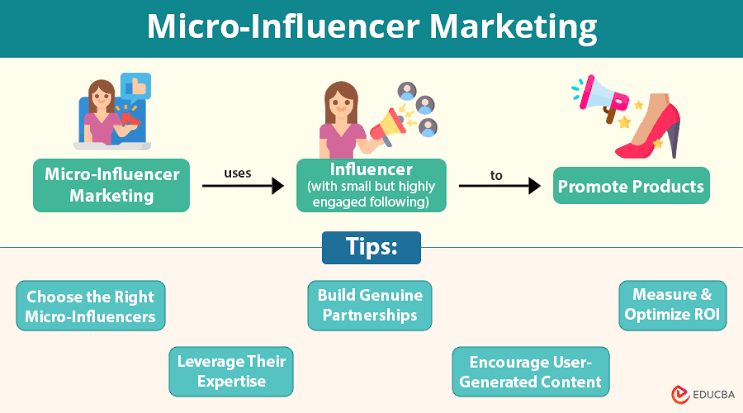
Social media creators that have a smaller but very active following—typically 10,000–100,000 people—are known as micro-influencers. They concentrate on particular subjects or markets, producing relatable and reliable material, in contrast to celebrities or mega-influencers. Consider them ardent supporters who have a strong bond with their audience, which your business can leverage.
Why Micro-Influencers Are a Perfect Fit for Small Businesses
1. Cost-Effectiveness
Marketing budgets for small firms are sometimes constrained. It can be excessively costly to collaborate with big or celebrity influencers. Micro-influencers are a more cost-effective choice that yields substantial returns on investment.
2. Authenticity and Trust
Since they interact intimately with their followers, micro-influencers are seen as more real. Audiences connect with their endorsements because they feel personal rather than transactional, which increases brand trust.
3. Higher Engagement Rates
Micro-influencers have better engagement rates than their macro-influencer counterparts, according to numerous studies. As a result, your brand’s reach will naturally grow as their fans are more likely to enjoy, comment on, and share material.
4. Niche Audience Targeting
Small companies frequently serve particular markets or demographics. The right audience will be reached by your marketing efforts because micro-influencers are experts at producing content for these areas.
How to Leverage Micro-Influencers Effectively in 2024
1. Define Your Goals
Determine your main goals before interacting with micro-influencers. Are you looking to improve revenue, website traffic, or brand awareness? Your plan will be guided by certain aims.
2. Choose the Right Influencers
Seek for influencers with a following that is similar to your target market. Make sure they are a suitable fit for your brand by examining their authenticity, engagement rates, and content.
3. Collaborate on Authentic Content
Give micro-influencers the latitude they need to authentically present your goods or services. Compared to aggressively promoted content, audiences react better to stories that are naturally told.
4. Track Performance Metrics
To gauge how well your campaigns are working, use tools like Google Analytics, Instagram Insights, or influencer marketing platforms. To evaluate ROI, track KPIs like reach, engagement, traffic, and conversions.
Micro-Influencers and Emerging Trends in 2024
1. Rise of Video Content
Video content is king on social media, where sites like Instagram Reels, YouTube Shorts, and TikTok are dominated. Engagement can be greatly increased by working with micro-influencers who are skilled at producing short-form video content.
2. Sustainability and Purpose-Driven Marketing
Brands that align with their beliefs are attracting more and more customers. Your company can connect with purpose-driven consumers by partnering with micro-influencers who support diversity, sustainability, or social concerns.
3. AI and Analytics for Better Partnerships
Businesses can now more accurately assess audience demographics, influencer performance, and content authenticity thanks to advanced AI techniques. Choose the most effective micro-influencers for your campaigns by using this information.
Case Studies: Micro-Influencer Success Stories
Case Study 1: Local Coffee Shop
A micro-influencer that specialises in culinary and lifestyle content teamed up with a small coffee establishment. Within two weeks, the influencer increased foot traffic by 30% and online orders by 20% by crafting captivating posts about the shop’s distinctive brews and welcoming atmosphere.
Case Study 2: Handmade Jewellery Brand
In order to provide behind-the-scenes stories of the creating process, a jewellery brand partnered with micro-influencers. Sales significantly increased and website views increased by 40% as a result of this genuine storytelling.
Conclusion
Micro-influencers are a strong option for small companies looking to have a significant impact with little funding. Through cultivating genuineness, interacting with specialised audiences, and offering affordable solutions, micro-influencers enable small enterprises to successfully compete in the digital market.
Are you prepared to use micro-influencers to grow your small business? To create a customised influencer marketing plan for 2024, get in touch with our team.