
Paid campaigns are essential for increasing traffic, leads, and conversions in the realm of digital marketing. But not every campaign has the same effect. Marketers require more than just surface-level analytics like clicks and impressions to maximise ad spend and enhance return on investment. Cohort analysis is useful in this situation.
Marketers can divide users into distinct groups using cohort analysis based on shared traits or patterns over time. You can find trends, comprehend user behaviour, and improve your paid advertising by using data to inform your decisions by monitoring these cohorts.
In this blog, we’ll delve into what cohort analysis is, why it’s essential for paid campaigns, and how you can leverage it to boost performance and maximize your ROI.
What is Cohort Analysis?
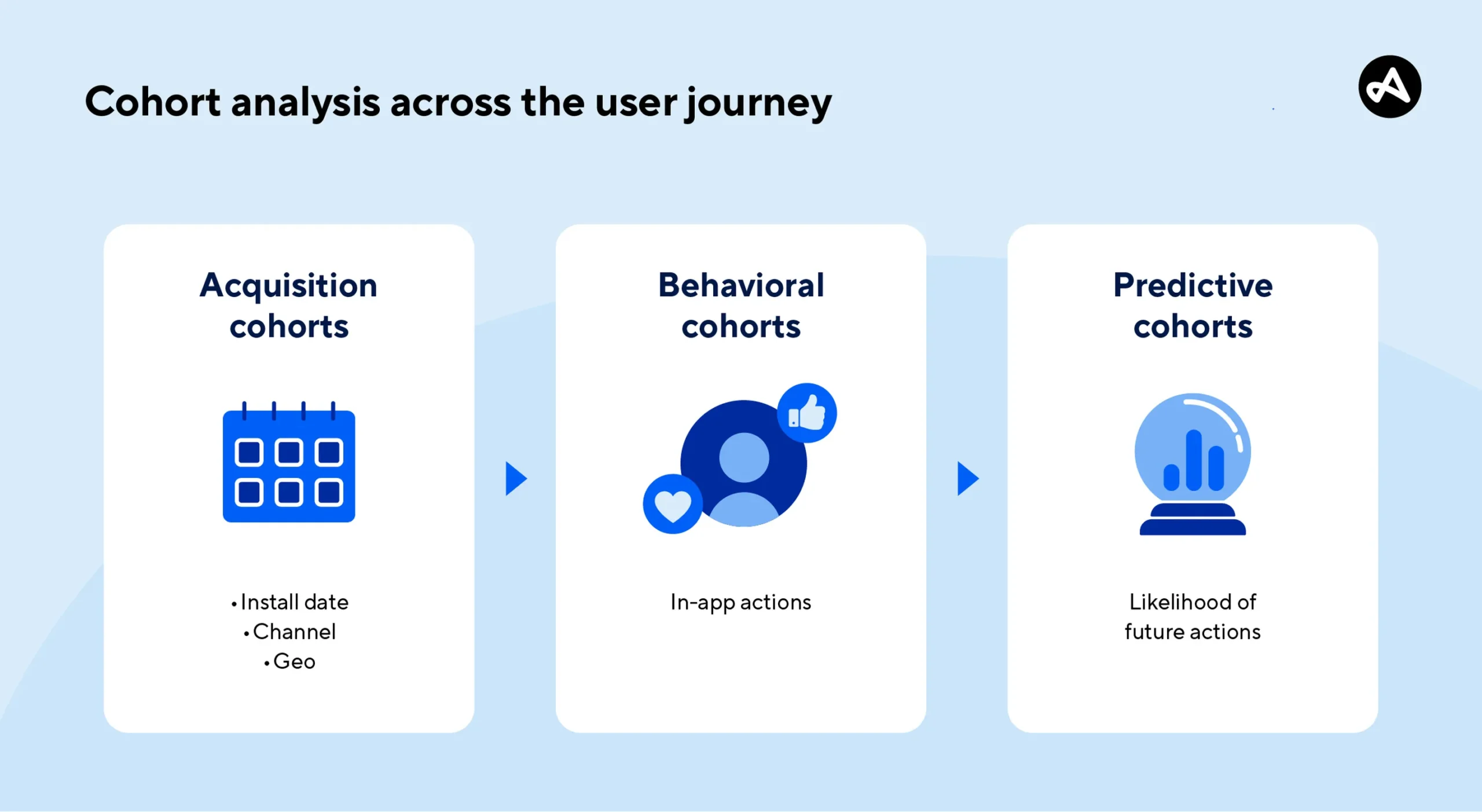
A data analysis method called cohort analysis puts people into groups according to common characteristics or experiences over a given period of time, which is called a “cohort.” For instance, you may establish cohorts according to:
• Acquisition Date: Users who registered during a given campaign or in a specific month.
• Behavioural Triggers: People who downloaded an app, bought something, or clicked on a specific advertisement.
After segmenting, you monitor each cohort’s performance over time to spot patterns and assess the efficacy of your campaign.
Cohort analysis enables you to delve deeply into certain user groups to find patterns and insights that could otherwise go overlooked, in contrast to aggregated data, which offers a wide overview.
Why is Cohort Analysis Essential for Paid Campaigns?
1. Improves Campaign Optimization
Targeting, ad creativity, platforms, and budgets are just a few of the many elements that are frequently involved in paid advertising. Understanding which user groups or campaigns produce the best outcomes over time is made easier with the aid of cohort analysis.
For instance:
• Did consumers who joined Campaign A retain longer than those who joined Campaign B?
• Did buyers make more purchases after clicking on a particular ad creative?
You may improve your campaigns, make efficient use of your resources, and concentrate on tactics that provide the highest return on investment by finding high-performing cohorts.
2. Monitors Long-Term Engagement
The majority of sponsored campaigns concentrate on immediate outcomes, such as clicks or signups. These numbers, however, don’t reveal anything about the acquired consumers’ long-term worth. By monitoring user behaviour over time, cohort analysis assists you in figuring out: • How long users stay active following acquisition.
• If they end up becoming paying clients.
• Their LTV, or lifetime value.
A cohort analysis, for example, may show that users who were found using Facebook Ads are more likely to be retained than those who were found through Google Ads. This knowledge can direct future expenditures on campaigns.
3. Identifies Drop-Off Points
You can determine where consumers stop along their path by using cohort analysis. For instance, you can look into and fix the problem if a significant portion of a cohort registers but never makes a purchase.
By improving the post-click experience—such as landing page design, checkout procedures, or email nurturing sequences—this level of detail raises conversion rates.
4. Informs Budget Allocation
You can more strategically deploy budgets if you know which cohorts yield the highest return on investment. You can raise and spend on a campaign that regularly draws high-value users while decreasing spending on campaigns that don’t perform well.
5. Enables Personalization
The distinct interests and behaviours of various user segments are revealed by cohort analysis. By using this information, you can better target your offers, message, and ad creatives to appeal to particular demographics, increasing engagement and conversions.
How to Conduct Cohort Analysis for Paid Campaigns
Step 1: Define Your Cohorts
Establishing the criteria for user grouping should come first. Typical definitions of a cohort include:
• Acquisition Source: Sort users according to the campaign or platform that drew them in (e.g., TikTok, Facebook Ads, or Google Ads).
• Acquisition Time: Divide users into groups according to when they engaged with your campaign (for example, people who were acquired in January as opposed to February).
• Action Taken: Establish cohorts according to user activities, such registering, downloading an app, or finishing a transaction.
Step 2: Set Your Metrics
Decide the important indicators you wish to monitor for every cohort. Among the examples are:
• Retention rate (Day 1, Day 7, Day 30).
• The rate of conversion.
• AOV, or average order value.
• CLV, or customer lifetime value.
Step 3: Analyse Performance Over Time
To monitor cohort behaviour over time, use technologies such as Mix panel, Google Analytics, or the reporting dashboard of your ad provider. Patterns like a rapid decline in user interaction after a certain period of time or a steady increase in conversions from a particular campaign can be seen by visualising trends in a cohort retention or conversion table.
Step 4: Compare Cohorts
To find trends, compare the performance of various cohorts. For instance:
• After ninety days, which campaign produced the highest LTV?
• Did consumers who were obtained during a regular campaign behave differently from those who were recruited during a holiday promotion?
Step 5: Iterate and Optimize
To improve your campaigns, apply the knowledge gained from your cohort analysis. This could entail:
• Modifying targeting to concentrate on high-value sectors.
• Modifying offers or ad creatives to better appeal to particular demographics.
Budgets should be redirected to efforts that attract the most lucrative groups.
Real-World Applications of Cohort Analysis in Paid Campaigns
1. E-Commerce
Cohort analysis can be used by an e-commerce company running sponsored ads to ascertain:
• Which promotions encourage recurring business.
• The performance of evergreen and seasonal advertisements (like Black Friday) in comparison.
• The typical interval for various cohorts between a user’s first and second purchases.
2. SaaS Businesses
Cohort analysis aids SaaS businesses in monitoring:
• User retention rates following a free trial sign-up.
• The proportion of trial users who become paying clients.
• Over time, churn rates for users gathered via various efforts.
3. Mobile Apps
Cohort analyses by a mobile app running sponsored advertisements can reveal:
• Retention rates by source of acquisition.
• In-app purchases made by users who participated in a particular campaign.
• Various cohorts’ degrees of engagement (e.g., daily active users).
Tools for Conducting Cohort Analysis
Cohort analyses by a mobile app running sponsored advertisements can reveal:
• Retention rates by source of acquisition.
• In-app purchases made by users who participated in a particular campaign.
• Various cohorts’ degrees of engagement (e.g., daily active users).
Best Practices for Using Cohort Analysis in Paid Campaigns
1. Avoid overanalysing data and instead concentrate on actionable insights. Seek out trends that will help you make improvements to your marketing.
2. Employ Multiple Variables: For more in-depth understanding, combine cohort analysis with demographic, regional, or psychographic data.
3. Test and Learn: To confirm results from cohort analysis, run A/B tests.
4. Connect Across Channels: Use data from one platform (like Facebook Ads) to improve ads on another (like Google Ads).
The Benefits of Cohort Analysis for Paid Campaigns
Cohort analysis provides the following benefits when utilised properly:
• Increased ROI: You can optimise returns on ad expenditure by finding and concentrating on high-value campaigns.
• Smarter Targeting: User behaviour insights aid in improving audience targeting.
• Improved Retention: By identifying user drop-off points, you may remedy issues and increase retention.
• Improved Resource Allocation: You can make sure your budget is used effectively by identifying the initiatives that generate the most value.
Final Thoughts
One revolutionary technique for paid advertising optimisation is cohort analysis. You can find hidden trends, increase engagement, and optimise return on investment by grouping people into relevant categories and tracking their behaviour over time.
This is the ideal moment to begin using cohort analysis if you haven’t before. To advance your paid advertising, you may make more informed decisions based on data and develop a deeper understanding of your audience with the correct strategy and resources.