
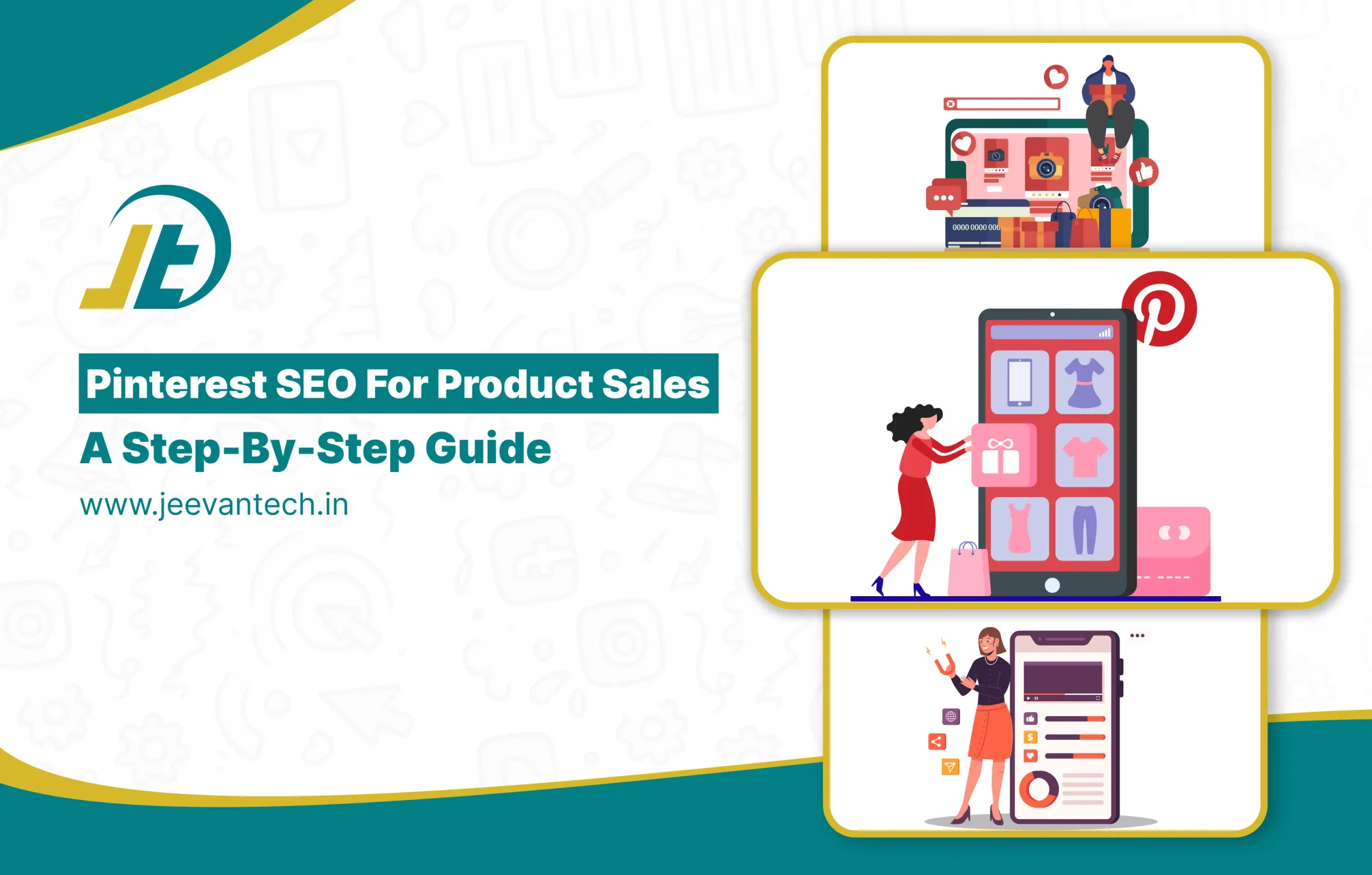
Pinterest has transformed from a straightforward website for finding recipes and ideas for home décor to a potent engine for online sales. Businesses can utilise Pinterest to draw in highly engaged customers who are frequently prepared to shop, especially those in the e-commerce industry. As a visual search engine, Pinterest serves as much more than just a social media platform, with over 480 million monthly active users as of 2024.
Use Pinterest SEO (Search Engine Optimisation) to fully realise Pinterest’s potential for your e-commerce firm. This guarantees your material and goods are seen by the appropriate people when they are looking for inspiration, ideas, or goods to buy.
Why Pinterest Matters for E-Commerce Brands
Users on Facebook, Instagram, and Pinterest behave differently from one another. This distinction is significant for e-commerce for the following reasons:
- High Intent to Buy
Users of Pinterest actively look for products, solutions, and ideas. Data from Pinterest indicates that 97% of searches are unbranded, indicating that people are receptive to finding new items and brands. For e-commerce companies of all sizes, this establishes a level playing field. - A Growing Search Engine
Despite not being Google, Pinterest functions as a search engine on its own. In order to locate visual information, users enter searches (keywords), and Pinterest uses its algorithm to provide related Pins (pictures or videos). - Visual Discovery Drives Conversions
People purchase what they observe. By showcasing products in a lifestyle context, Pinterest’s visual-first strategy helps marketers build stronger emotional bonds with consumers and increase their propensity to buy.
What is Pinterest SEO?
Optimising your boards, profile, and Pins to rank higher in Pinterest search results is known as Pinterest SEO. Similar to conventional search engines like Google, Pinterest employs algorithms to rank material according on user engagement, quality, and relevancy.
Understanding user intent and incorporating pertinent keywords into your Pins and content to increase discoverability are the main goals of Pinterest SEO.
How Pinterest’s Algorithm Works
You must first comprehend how Pinterest surfaces and ranks content if you want to use Pinterest SEO to increase sales. The platform prioritises the following:
1. Relevance: In order to determine the purpose of your Pin, Pinterest examines the text on it (title, description, and hashtags), the title of your board, and the URL linked to the Pin.
2. Visual Quality: Videos or pictures that are captivating and of high-quality work better. Pinterest classifies visual material using image recognition technology.
3. Engagement: Pins that receive a lot of clicks, saves, comments, and close-ups are given preference on Pinterest.
4. Fresh Content: To stay visible and increase traffic to your e-commerce site, you must regularly submit fresh Pins. Key Strategies for Pinterest SEO in E-Commerce
To harness the power of Pinterest SEO, follow these strategies:
1. Optimize Your Pinterest Profile
The cornerstone of any Pinterest SEO efforts is your profile.
• Employ Relevant Keywords: Include keywords in the board descriptions, bio, and company name. Use keywords like “handmade candles,” “home fragrance,” and “gifts for home,” for instance, if you sell handmade candles.
• Make Your Website Your Own: Having your website claimed on Pinterest gives you access to useful analytics and increases trust.
• Make use of a business account: Rich Pins, analytics, and advertising choices are all made available with a Pinterest business account.
2. Conduct Pinterest Keyword Research
It’s important to know what your audience is looking for.
• To find popular keywords, use Pinterest’s search box. Similar to Google’s search predictions, Pinterest will offer auto-complete possibilities when you start typing a keyword associated with your product.
• Examine rival Pins to find popular subjects and keywords.
• For increased visibility, incorporate keywords into the names of your boards, descriptions, and Pin titles.
3. Create High-Quality, Clickable Pins
Since pins serve as your product’s visual representation, quality is important.
• Make Use of High-Resolution Photos: Pinterest is the perfect place for vertical photos with a 2:3 aspect ratio.
• Overlay Text: Use keyword-rich text overlays, such as “Spring Candle Collection 2024,” to describe the product or deal.
• Lifestyle Photos: To motivate customers, present your product in authentic environments.
• Strong Headlines and Synopses: Make natural use of terms and emphasise advantages, fixes, or calls to action. For instance: “Use our handcrafted soy candles to enhance the décor of your home.” Shop today for new scents for every season!
4. Leverage Rich Pins
Rich Pins provide customers with additional product information by extracting metadata straight from your website.
• Product Pins: These pins show current product information, availability, and price. Users are urged to go through and make a purchase.
• Recipe or Article Pins: Rich Pins offer more context to increase engagement if your brand produces content such as blogs or recipes.
5. Organize Your Boards Strategically
The hobbies and purchasing intentions of your target audience should be reflected in your boards.
• Make boards with product categories, seasonal collections, or lifestyle themes (such as “Summer Wardrobe Essentials,” “Holiday Gift Ideas,” or “Minimalist Home Decor”).
• To increase discoverability, use keywords in your board titles and descriptions.
6. Pin Consistently and at Optimal Times
Consistency is rewarded on Pinterest.
• To plan and publish Pins on a regular basis, use scheduling systems such as Tailwind.
• Pin at the best times according to the activity of your audience. The majority of users are more active on weekends and in the evenings.
7. Drive Traffic to Your Website
A clickable link to your blog, e-commerce site, or product page should be included in each Pin.
• Make landing pages as user-friendly as possible for a smooth purchasing experience.
• To gauge how effective Pinterest traffic is, use UTMs (tracking links).
8. Track Analytics and Refine Your Strategy
To track the effectiveness of your pins and determine what generates the most hits and saves, use Pinterest Analytics. Metrics to keep an eye on include:
• Impressions: The number of people who seen your pins.
• Engagement: Close-ups, clicks, and saves.
• Clicks that go out: Visitors to your website.
Make adjustments to your plan in light of these findings. For instance, concentrate on producing more lifestyle content if lifestyle photos do better than Pins that exclusively feature products.
The Benefits of Pinterest SEO for E-Commerce Sales
When properly used, Pinterest SEO can:
1. Increase Targeted Traffic: Since Pinterest users are actively looking for ideas and items, your website will receive higher-quality traffic.
2. Boost Brand Visibility: Your products can show up in Pinterest feeds and search results if your material is optimised.
3. Increase Sales: Pinterest assists in guiding prospective buyers along the purchasing funnel when users are prepared to make a purchase.
4. Deliver Long-Term Results: Pins can drive traffic for months or even years, and they have a longer shelf life than Facebook posts or Instagram Stories.
Final Thoughts
For e-commerce companies hoping to increase their visibility and boost sales, Pinterest SEO is revolutionary. You may draw in ready-to-shop customers and expand your brand by approaching Pinterest as a visual search engine and tailoring your content appropriately.
Now is the perfect moment to incorporate Pinterest into your e-commerce strategy if you haven’t already. With its stunning images and keyword optimisation, Pinterest SEO presents a special chance to engage with consumers who are searching for ideas—and prepared to buy.