
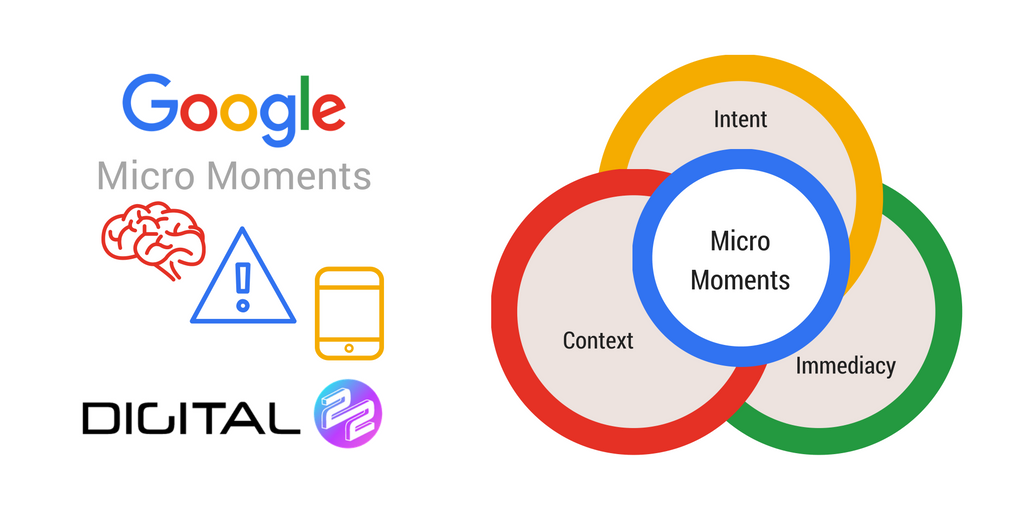
The term “micro-moments” has revolutionised the marketing industry in the current fast-paced digital environment. Micro-times, a term coined by Google, are those fleeting moments when customers use their gadgets—computers, tablets, or smartphones—to fulfil a particular need: to know, go, do, or purchase. Decisions and preferences are formed during these intent-rich times, giving marketers a fantastic chance to alter consumer journeys.
The ability of your brand to engage with its audience can be greatly impacted by your comprehension and utilisation of micro-moments in search marketing. Let’s examine what micro-moments are, their significance, and how to include them into a strong search engine optimisation plan.
What Are Micro-Moments?
There are four different sorts of micro-moments:
1. I-want-to-know moments
Customers are looking for answers to their questions or information. “How does solar energy work?” is one example.
2. I-want-to-go moments
People are planning a trip or searching for a local location. For instance, “best hiking trails in Colorado” or “restaurants near me.”
3. I-want-to-do moments
These instances occur when people look for guidelines or activity suggestions. For example, “the best yoga poses for beginners” or “how to bake sourdough bread.”
4. I-want-to-buy moments
Consumers are prepared to buy, but they require advice on the right course of action. This category includes searches such as “buy noise-cancelling headphones” or “best smartphone under $500.”
Customers’ need for quick and pertinent information shapes micro-moments. They are crucial touchpoints in search marketing since they appear throughout the customer journey.
Why Do Micro-Moments Matter in Search Marketing?
Consumer behaviour has changed significantly as a result of the proliferation of mobile technologies and on-the-go internet use. The following explains why micro-moments are crucial:
1. Customers Are Constantly Online
People can easily seek up information anywhere, at any time, with cell phones in their pockets. Higher expectations for prompt and pertinent responses are a result of this constant connectedness.
2. Intent Outweighs Statistics
Micro-moments concentrate on intent, as opposed to traditional marketing, which divides audiences based on factors like age, region, or wealth. Marketers may provide hyper-personalized information that meets users’ instant requirements by knowing why they are seeking.
3. Choices Are Made in a Flash
90% of consumers are not brand-committed during micro-moments, according to Google study, which gives competitors an advantage. This emphasises how crucial it is to deliver the appropriate message at the right moment.
4. Has an effect on the bottom line
Brands can increase engagement, conversions, and loyalty by effectively meeting consumers in their micro-moments. Companies who fail to recognise these opportunities run the danger of being passed over by more receptive rivals.
Strategies to Win in Micro-Moments
It need a smooth fusion of SEO, content marketing, and UX optimisation to win the micro-moment game. Here’s how:
1. Anticipate User Intent
You need to know what your audience is looking for at every point of their journey in order to capture micro-moments.
• Utilise resources such as Google Search Console to determine search terms and queries.
• Find out what questions and subjects are popular by visiting AnswerThePublic.
• Use customer surveys to gain firsthand knowledge of the needs of your audience.
Instead than just using “shoe cleaning,” concentrate on long-tail keywords that convey meaning, like “how to clean suede shoes.”
2. Optimize for Mobile
Mobile devices are where the majority of micro-moments occur. You risk losing users before they interact with your content if your website isn’t responsive.
• Make sure your website loads in less than three seconds.
• Images and text can be read on smaller screens.
• The navigation is simple to use and intuitive.
3. Prioritize Local SEO
When it comes to “I-want-to-go” moments, local search optimisation is essential.
• Update your Google Business Profile frequently and add correct information and images to make it stand out.
• To improve your local rating, ask pleased clients to write favourable reviews.
• To attract intent-driven searches, use location-based phrases such as “best Italian restaurant in Brooklyn.”
4. Provide Instant Answers
It’s all about speed in micro-moments. Make material that addresses user questions in a straightforward, useful manner.
• You can improve your chances of showing up in rich snippets by using structured data markup.
• Compose clear, succinct content that is tailored for featured snippets.
• Provide frequently asked questions to promptly address typical client problems.
5. Leverage Video Content
Especially for “I-want-to-do” searches, video is becoming a more and more popular format for micro-moments. Users seeking quick fixes are drawn to explainer videos, how-tos, and tutorials.
• Use keywords to enhance the titles and descriptions of your videos.
• As a backup search engine, use YouTube.
• Include timestamps so that viewers can go straight to the most pertinent section of your video.
6. Personalize the Experience
Micro-moments are really intimate. Deliver customised content using data-driven insights, such as:
• Dynamic search advertising that change based on the user’s query.
• Tailored email campaigns that are brought about by particular searches or actions.
• Ads that retarget users based on their previous actions.
Case Studies: Brands Winning at Micro-Moments
1. Red Roof Inn
Red Roof Inn targeted stranded travellers looking for nearby hotels during flight cancellations by using location-based marketing. During periods of high cancellations, their “last-minute booking” approach increased bookings by 60%.
2. Sephora
Sephora uses augmented reality apps that let customers virtually try items and beauty tutorials to capitalise on “I-want-to-do” moments. Sephora establishes itself as a reliable source by attending to consumers’ demands during the research stage, which increases both in-person and online sales.
Metrics to Track Success
Keep an eye on the following to gauge the effectiveness of your micro-moment strategy:
• Click-Through Rate (CTR): A high CTR shows how successful and relevant your content is.
• Conversion Rate: Measures the proportion of users who finish desired actions, such as signing up or making a purchase.
• Engagement Metrics: How effectively your content meets user intent is indicated by time on page, bounce rate, and interaction levels.
• Local Search Rankings: Track the frequency of “near me” searches for your company.
Challenges and Solutions
Challenge 1: Keeping Up with Changing Algorithms
Because search engines are always changing, it’s hard to stay at the top.
Solution: Keep abreast of industry blogs such as Search Engine Journal and Moz, and modify your approach as necessary.
Challenge 2: Balancing Speed with Quality
Content quality can be compromised when hastily produced.
Solution: To guarantee both speed and depth in your marketing activities, invest in workflows and a content calendar.
Conclusion
The next battlefield for gaining client loyalty and swaying purchasing decisions is micro-moments. Businesses can transform brief interactions into significant conversions by comprehending user intent and providing highly relevant content at the appropriate moment.
To succeed in this rapidly changing industry, include mobile optimisation, local SEO, tailored experiences, and actionable insights into your search marketing plan. Keep in mind that being useful is more important in the world of micro-moments than simply being there.
Brands that grasp micro-moments today will surely lead the pack tomorrow as customer behaviours continue to change. Will your company be among them?